

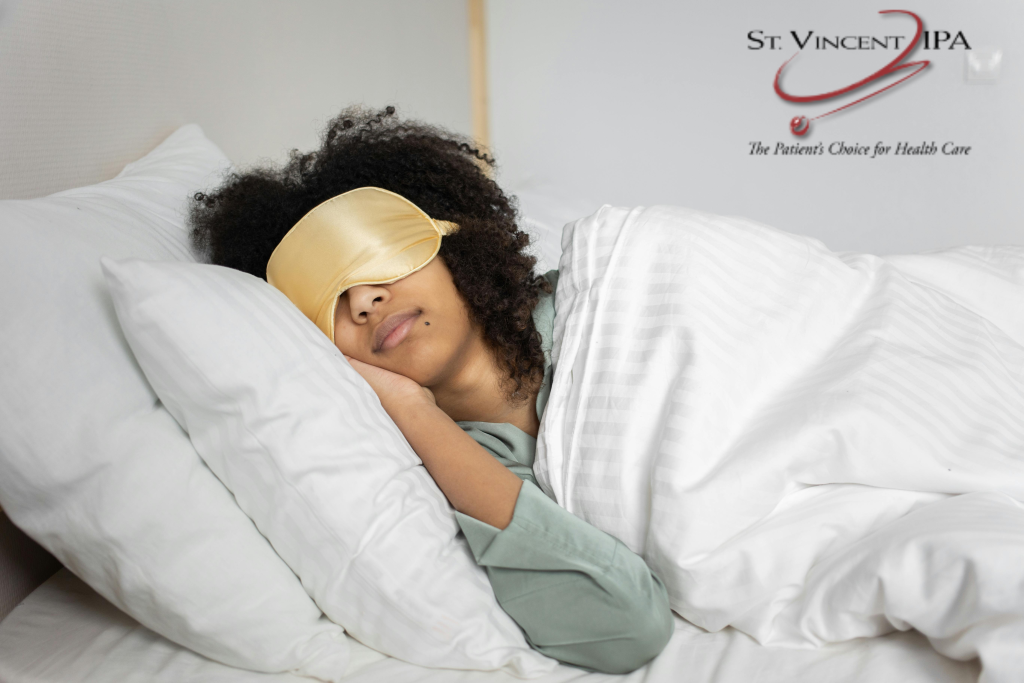
Did you know that over 33% of all adults, 25% of children, and 70% of teenagers aren’t getting proper sleep according to the CDC and NIH? This includes not getting enough sleep, sleeping against your circadian rhythm, as well as getting poor quality sleep.
Sleep deprivation can have drastic effects on your health beyond just feeling tired, it can creep into almost all aspects of your life. This means that by not getting proper sleep you introduce an increased risk of heart disease, high blood pressure, kidney issues, stroke, diabetes, and depression. On the other hand, when you ensure you get enough good sleep you directly reverse the effects of the previously mentioned dangers. You also boost your immune system, reduce stress, and cut through brain fogginess while improving memory.
Use these tips to make sure you’re sleeping well and for the appropriate amount of time:
Keep a consistent sleep schedule; wake up and go to bed at the same time every day including weekends
Keep your room quiet and cool; colder temperatures help you sleep deeper while the reduced sound ensures that your 8 hours are peaceful.
Avoid using your electronics for half an hour before bed; especially don’t use your phone in bed as that makes your brain expect entertainment versus expecting to fall asleep.
Avoid eating or drinking anything besides water before bed; especially alcohol or anything with caffeine.
Make sure to exercise daily and keep your diet clean; this can boost your sleep quality.
Many people neglect getting enough sleep every night, and even just 1 night of bad sleep can take days to weeks for your body to recover. Be sure you’re following these tips to stay bright and healthy. If you still experience poor sleep or not enough sleep while following them, be sure to talk to your Primary Care Provider as you may suffer from a sleep disorder and may require additional care.
Sources:
https://www.cdc.gov/sleep/about/index.html
https://www.cdc.gov/sleep/data-research/facts-stats/index.html
https://www.nhlbi.nih.gov/health/sleep-deprivation