

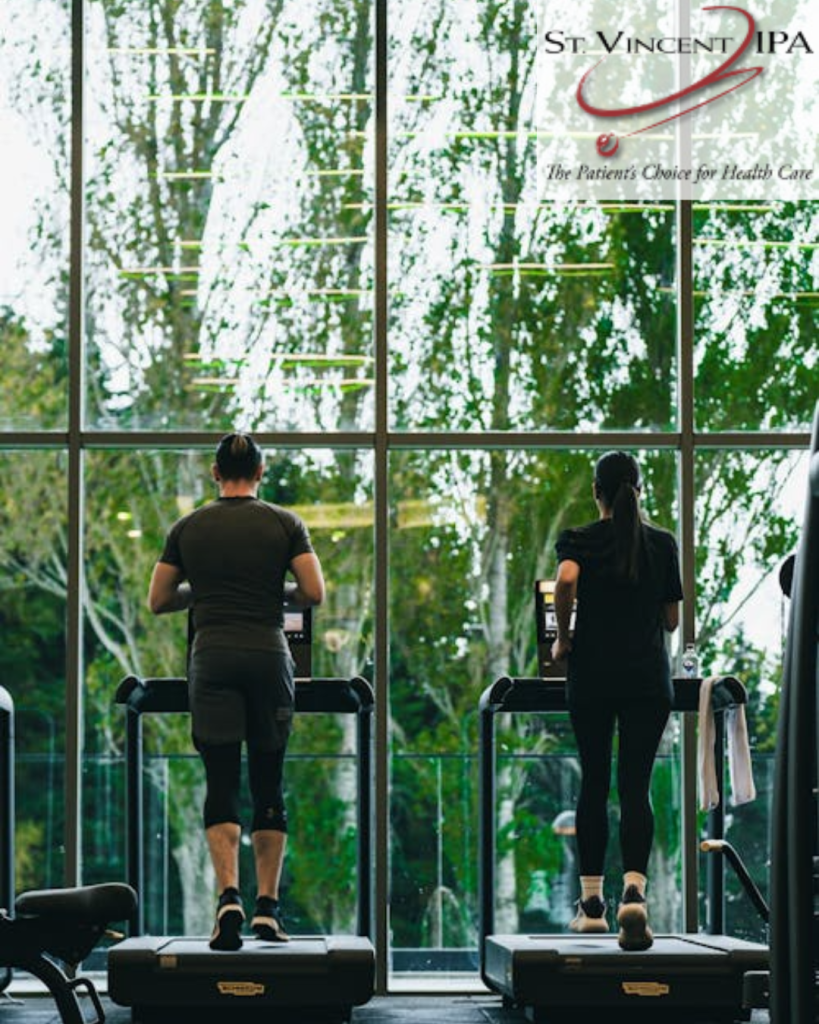
When many people exercise or go to the gym, they’ll only work on two or maybe three of the five components of fitness, which means that they are neglecting essential parts of a complete workout. Without building on all levels of physical fitness, one risks injuring themselves in multiple ways such as sprains, tears, and falls. Here are the five components in detail:
- Physical Strength:
Physical Strength is one of the most engaged in types of fitness. People who engage in strength training are usually going for increases in muscle size and strength. This is focused around building up muscles for high intensity, short duration workouts and includes things like resistance exercise, bench presses, and other workouts revolving around putting stress on your muscles. - Physical Endurance:
Physical Endurance can almost be seen as the other side of the coin to physical strength. Endurance workouts are built around lower weights but with longer sets as well as more repetitions. This allows one to do intense activities for longer periods of time. One can achieve this through weightlifting with lighter weights and adding on more reps and sets. - Cardiovascular/ Aerobic
By far the most common and popular form of fitness is cardiovascular, also known as aerobic fitness. These workouts are designed around increasing your heart rate and boosting your blood oxygen levels. Cardiovascular fitness can be engaged in many ways, including being synchronous with the other components, but most common are running, hiking, using the elliptical or a stair climber, or burpees. - Balance
Balance is your body’s ability to control and adjust your center of mass to ensure that you are able to remain upright, even in non-standard settings. This component is especially important for our elders as it can help prevent falls from occurring. Things like yoga and tai chi are great for improving balance, but you can also do some small things at home like standing on one foot during tasks or walking heel to toe in a straight line. - Flexibility
Finally, we come to flexibility, the last of our components of fitness. With flexibility, you are trying to improve the range of motion of the muscle and connective tissue by increasing blood flow to those areas. This in turn provides the joints with more synovial fluid and the muscles with additional strength and endurance. Flexibility is easy to work into your exercise and should be engaged both before and after a workout with a 15–20-minute stretch to help warm up and cool off.
While it’s easy to desire to be stronger, be in better visible shape, or move faster than before, not enough people are truly getting a full workout and neglecting several components of fitness. Remember that a well-rounded workout is a keystone of a well-rounded and healthy life.
Sources:
https://www.mayoclinichealthsystem.org/hometown-health/speaking-of-health/the-5-elements-of-fitness
https://www.heart.org/en/healthy-living/exercise-and-physical-activity
https://www.ncbi.nlm.nih.gov/books/NBK241304/
https://www.dcms.uscg.mil/Portals/10/CG-1/cg111/docs/HPM/Exercise-Guidelines.pdf?ver=2017-04-04-153744-920