
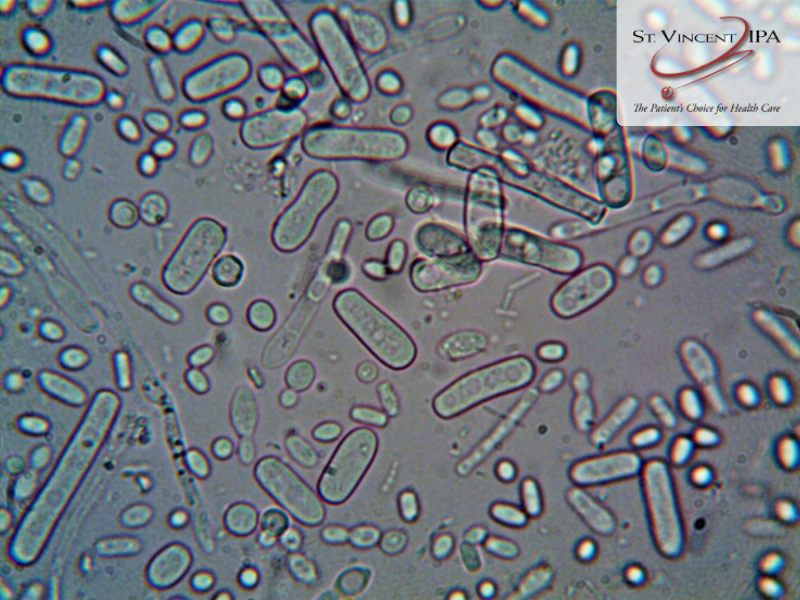
When you are prescribed antibiotics, your doctor or pharmacist will tell you to be sure to complete the entire course of medicine even if you recover early. Many don’t think about why they are given this instruction and the reason is quite frightening. Bacteria that are introduced to but not killed by antibiotics can develop resistance if not an outright immunity to medication. These resistant microbes are left behind while all the good bacteria are killed, leading to more resistant bacteria being naturally selected. If you do not finish your schedule of antibiotics, a small amount of the bacteria getting you sick can survive and develop a resistance to the medication. An overreliance on antibiotics in our modern society is allowing these bacteria to develop while reducing our immune system’s ability to naturally fend off illness through killing our healthy microbiome. But how does this affect me and what can I do to prevent this you may ask?
Antibiotics are commonly prescribed for two reasons. The first is to fight against an illness that your own immune system is struggling to defeat. If you end up with an antibiotic-resistant microbe, your body will struggle to fight it off more than it normally would be able to and regular medications will fail. You will end up having to resort to stronger antibiotics that have serious side effects. These potent medications can cause organ failure, tissue and nerve damage, and harm your internal microbiome. The longer you are required to be on these medications the more dangerous they become, too. The second reason antibiotics are commonly prescribed is to be proactive in ensuring an infection doesn’t occur in the first place such as for an operation or after getting bitten or scratched. These are situations where if antibiotic-resistant bacteria are already present, it can cause serious complications up to death due to extended treatment time which prolongs people getting proper care. These risks are even more significant to the elderly and immunocompromised who may not be able to handle second or third line antibiotics.
In order to help prevent the development and spread of antibiotic-resistant bacteria, you can take the following steps:
- Avoid getting sick. Living a healthy lifestyle and taking preventative measures to avoid infection is the first and easiest step for us to take.
- Wait to take antibiotics until you are guided to by a medical professional. This prevents bacteria from having a chance to become resistant as well as allowing your immune system a chance to naturally resolve the illness.
- If you do need antibiotics, be sure to follow your full schedule exactly as prescribed to ensure all hostile bacteria are eliminated and pose no risk of developing resistance.
If each of us does our part, we can prevent the development of antibiotic resistance in bacteria and ensure our current treatments stay safe and effective.
Sources and additional information:
https://www.cdc.gov/antimicrobial-resistance/about/index.html
https://www.who.int/news-room/fact-sheets/detail/antimicrobial-resistance
https://www.ncbi.nlm.nih.gov/books/NBK513277/